By Comrade Najeeb Nasir Ibrahim
Infrastructure development remains one of the most visible indicators of a government’s seriousness in improving the lives of its people. Roads, bridges, public facilities, and urban renewal projects not only transform the physical landscape of a state but also stimulate economic growth, enhance mobility, and strengthen public confidence in governance. In Kano State today, the ongoing development projects under the leadership of Abba Kabir Yusuf are gradually redefining the meaning of purposeful governance.
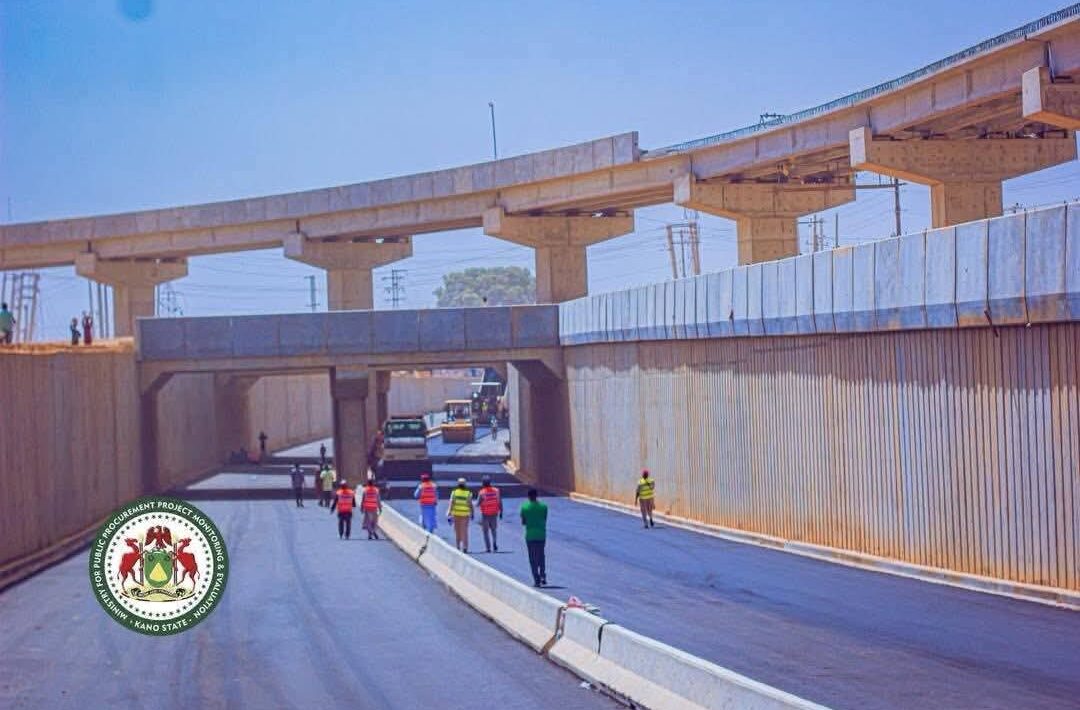
One of the most significant of these efforts is the Dan Agundi infrastructure development project, a strategic intervention aimed at addressing long-standing challenges in urban connectivity, traffic management, and economic accessibility within Kano metropolis. For many years, the Dan Agundi axis has been a critical commercial and transportation corridor, yet it suffered from congestion, deteriorating infrastructure, and limited expansion. The current administration has taken bold steps to correct this.
The commitment shown by Governor Abba Kabir Yusuf in revitalizing the area demonstrates a clear understanding of the relationship between infrastructure and economic development. By prioritizing projects such as the Dan Agundi road improvement and urban renewal initiative, the administration is not merely constructing roads; it is building pathways for commerce, trade, and social mobility.
The Dan Agundi project is particularly important because it connects several key commercial areas within Kano, facilitating smoother movement for traders, commuters, and businesses. As Kano remains one of the largest commercial hubs in Northern Nigeria, any improvement in its transport infrastructure directly translates into enhanced economic productivity. Markets become more accessible, transportation costs are reduced, and small businesses gain better opportunities to thrive.
Beyond its economic significance, the project also reflects the philosophy behind the government’s “Kano First Agenda.” This agenda emphasizes policies and projects that prioritize the welfare, development, and prosperity of the people of Kano above all other considerations. Rather than focusing on cosmetic governance, the administration appears determined to implement projects that deliver tangible benefits to ordinary citizens.
Under the Kano First Agenda, the government has placed infrastructure development at the center of its developmental blueprint. Roads are being reconstructed, urban spaces are being redesigned, and long-neglected areas are receiving the attention they deserve. The Dan Agundi project therefore stands as a symbol of this broader vision—a vision that seeks to modernize the state while preserving its historic role as a commercial powerhouse.
Another commendable aspect of the project is its potential to reduce traffic congestion in surrounding areas. Urban expansion in Kano has significantly increased the number of vehicles on the roads, placing enormous pressure on existing infrastructure. By upgrading key corridors like Dan Agundi, the government is taking proactive steps to ease transportation challenges and improve the daily experiences of residents.
Furthermore, the project sends a powerful message about leadership and accountability. When citizens see their government investing in visible and impactful projects, it strengthens public trust in democratic governance. It demonstrates that leadership is not merely about occupying offices but about delivering results that improve the lives of the people.
Critics may always attempt to politicize development efforts, as is common in democratic environments. However, infrastructure projects such as the Dan Agundi development initiative should be evaluated based on their long-term benefits to society rather than narrow political interests. What ultimately matters is whether the projects contribute to economic growth, social development, and the general well-being of the people.
In this regard, the administration of Abba Kabir Yusuf deserves commendation for prioritizing infrastructural transformation. While much work remains to be done, initiatives like the Dan Agundi project indicate that the government is moving in a direction that aligns with the aspirations of the people.
Kano has always been a city of history, commerce, and resilience. With sustained commitment to infrastructure development and people-centered governance, the state has the potential to regain and even surpass its historic position as the economic heartbeat of Northern Nigeria.
The Dan Agundi project therefore represents more than a road construction effort—it symbolizes a renewed determination to build a modern, functional, and prosperous Kano. If the momentum is sustained, the Kano First Agenda may well become a defining chapter in the developmental history of the state.
For advertisement or further advisory services, the public has been directed to contact +2348032077835.
For more information about Alfijir labarai/Alfijir news Fallow here 👇
https://twitter.com/Musabestseller?s=09
https://www.facebook.com/profile.php?id=100089640289165
https://www.threads.net/@alfijirlabarai
https://www.youtube.com/@BestsellerChannel12
https://www.instagram.com/musa_bestseller?utm_source=qr&r=nametag
Alfijir labarai Alfijir News Whatsapp Group 👇👇
https://chat.whatsapp.com/H5oBRaZBdCVIyOTIV5eMfb?mode=ac_t