NCC
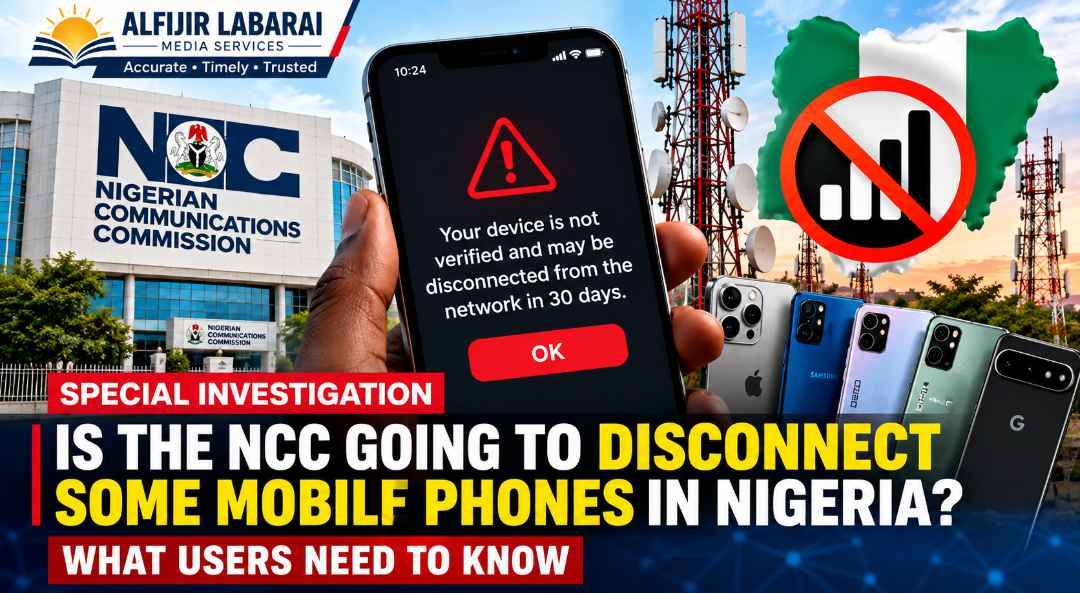
Reports that some mobile phone users in Nigeria have received warnings of possible network disconnection have raised concerns about the Nigerian Communications Commission’s (NCC) mobile device verification framework.
Some users have reportedly received messages warning that their devices could be disconnected from telecommunications networks if they fail to meet the applicable verification requirements.
The development has prompted questions about which devices may be affected, why users are receiving warning messages, and what steps consumers should take to avoid losing access to telecommunications services.
Will All Mobile Phones Be Disconnected?
No. The reported verification measures should not be interpreted as a decision to disconnect all mobile phones in Nigeria or every device belonging to a particular manufacturer.
According to information attributed to the NCC, devices that were already connected to Nigerian telecommunications networks before the implementation of the framework on October 7, 2026, were subject to automatic verification.
The framework is associated with device compliance, type approval and the identification of mobile devices through their International Mobile Equipment Identity (IMEI) numbers.
However, the precise circumstances under which an individual device could be restricted must be confirmed by the Commission.
Consumers should therefore avoid assuming that every phone mentioned in social media reports, or every phone receiving a warning message, will automatically lose network access.
Why Are Some Users Receiving 30-Day Warning Messages?
Reports published by BusinessDay on October 10, 2026, indicated that some mobile phone users had received warnings referring to a possible disconnection after 30 days.
The reports raised questions about how the warnings relate to the NCC’s device verification framework and its stated position on devices already connected to local networks.
Users need clear answers to several important questions.
Does receiving a warning mean that a device has failed verification? Does the 30-day period apply to every affected device? And what should a consumer do if a phone purchased from a Nigerian retailer is flagged as unverified?
These issues require clarification from the NCC before definitive conclusions can be drawn.
Which Devices Could Be Affected?
The verification framework raises particular concerns about devices that may not satisfy applicable regulatory requirements, including counterfeit devices, devices with duplicated IMEI numbers, and devices that have not obtained the required regulatory approval.
However, the exact categories of devices liable to disconnection, and the procedures for resolving verification problems, should be established through official guidance from the Commission.
The mention of a particular smartphone brand in a report does not, by itself, establish that all phones manufactured by that company are at risk.
What Should Consumers Do?
Consumers who receive a warning message should take the following steps:
1. Check the device’s verification status through the NCC’s official channels.
2. Contact their mobile network operator or the retailer who sold the device if the status is unclear.
3. Keep purchase receipts and other documents that may help establish where and when the phone was purchased.
4. Avoid paying unofficial agents who promise to remove restrictions or guarantee verification.
5. Do not share sensitive personal information or account credentials with unverified individuals.
Consumers can consult the NCC’s official information on device verification and type approval through its website:
https://www.ncc.gov.ng/frequently-asked-questions/ncc-device-checker-and-type-approval
The Commission should be consulted directly for confirmation of the currently applicable procedures and any relevant deadlines.
Questions Alfijir Labarai Is Seeking Answers To
As part of this investigation, Alfijir Labarai is seeking official clarification from the Nigerian Communications Commission on the following issues:
– Which categories of mobile devices are liable to disconnection under the current framework?
– Why are some users reportedly receiving 30-day warning messages, and what do those messages mean?
– Are devices that were already connected to Nigerian networks before October 7, 2026, automatically verified, and are there any exceptions?
– What should consumers do if a phone purchased from a Nigerian retailer is flagged as unverified?
– When does the 30-day period begin, and what options are available to affected consumers?
– What measures are in place to prevent wrongful disconnection and protect consumers who purchased their devices in good faith?
Alfijir Labarai will incorporate the Commission’s response into its reporting and provide readers with further clarification when reliable information becomes available.
Conclusion
The reports of possible mobile phone disconnections have raised legitimate concerns among telecommunications consumers in Nigeria. However, it is important to distinguish between a warning message, a device verification problem and a confirmed decision to disconnect a particular phone.
Until the NCC clarifies the scope of the measures and the procedures for affected users, consumers should rely on official information rather than unverified claims circulating online.
Alfijir Labarai Media Services
Accurate • Timely • Trusted